

Introduction
Starting a pigmentation treatment Singapore journey can feel confusing because dark spots, melasma, freckles, sunspots and post-acne marks may look similar but behave differently. At Dr Plus Aesthetic Clinic Singapore, patients considering Pico Laser in Singapore are assessed first to identify the pigmentation type, skin sensitivity, recurrence triggers and whether laser-based pigmentation treatment is suitable.
Pigmentation treatment is not simply about “removing dark spots.” A safe journey involves diagnosis, skin preparation, choosing the right treatment, following aftercare, preventing recurrence and setting realistic expectations. Some pigmentation may fade within weeks to months, while conditions such as melasma may need longer-term maintenance because they can return after improvement.
The American Academy of Dermatology explains in its melasma treatment guidance that melasma often needs a combination of sun protection, topical medication and sometimes procedures, and that it can return after treatment. Post-inflammatory hyperpigmentation is also commonly triggered by acne, skin inflammation or cosmetic procedures, according to a review on post-inflammatory hyperpigmentation. (PMC)

Image credit: Gustavo Fring on Pexels
Key Takeaways
| Key Point | Summary |
|---|---|
| First step | A doctor consultation helps identify whether the pigmentation is melasma, freckles, sunspots, post-acne marks or mixed pigmentation. |
| Treatment planning | Pigmentation treatment may involve sunscreen, topical skincare, laser, chemical peels or combination therapy depending on diagnosis. |
| Before treatment | Skin preparation, acne control, medication review and sun protection may be needed before procedures. |
| During treatment | The procedure depends on the chosen method, such as pico laser, pigment laser, chemical peel or topical treatment. |
| Aftercare | Sunscreen, gentle skincare and avoiding irritation are important after pigmentation treatment. |
| Results timeline | Pigmentation usually improves gradually; melasma and deeper pigmentation may need longer-term maintenance. |
| Recurrence prevention | Pigmentation can return if triggers such as UV exposure, heat, acne, inflammation or hormones are not controlled. |
What Causes Pigmentation?
Pigmentation happens when melanin, the pigment that gives skin its colour, is produced in excess or distributed unevenly. In Singapore’s sunny climate, ultraviolet exposure is a major trigger, but it is not the only cause.
Sun Exposure
UV exposure can worsen freckles, sunspots, melasma and post-acne marks. Even short daily exposure can stimulate melanin production, especially when sunscreen use is inconsistent.
Hormonal Triggers
Melasma can be influenced by hormones, pregnancy, oral contraceptives or other hormonal factors. This is one reason melasma can be recurrent and difficult to treat.
Acne and Inflammation
Post-acne marks are a common reason patients search for pigmentation consultation Singapore. Acne inflammation can leave brown marks, red marks or mixed discolouration after the pimple heals. This is different from acne scarring, which involves skin texture changes.
Skin Injury or Irritation
Over-exfoliation, harsh skincare, burns, aggressive peels or unsuitable procedures may trigger post-inflammatory hyperpigmentation. This is especially important for pigmentation-prone skin.
Ageing and Cumulative Sun Damage
Sunspots, also called solar lentigines or age spots, are linked to long-term UV exposure. Mayo Clinic notes that age spots can resemble cancerous growths, so changing or suspicious spots should be medically assessed before cosmetic treatment. (Mayo Clinic)
Doctor Consultation: What Happens First?
A proper consultation is the foundation of a safe pigmentation treatment journey Singapore. The doctor should not recommend treatment only based on the colour of the mark. Pigmentation type, depth, skin tone, triggers and recurrence risk all matter.
Medical and Skin History
During consultation, the doctor may ask about:
- When the pigmentation started
- Whether it appeared after acne, pregnancy, sun exposure or a procedure
- Whether it gets darker with sun or heat
- Current skincare products
- Previous laser or peel treatments
- Medication history
- Pregnancy or breastfeeding status
- History of eczema, sensitivity or keloids
- Sunscreen habits
- Active acne or inflammation
This helps identify whether the pigmentation is stable, recurrent, inflamed or procedure-sensitive.
Lifestyle and Sun Exposure
In Singapore, daily sun exposure is hard to avoid. The consultation should include practical discussion about outdoor work, exercise, driving, school, office exposure, sunscreen reapplication and whether the patient can follow aftercare properly.
Treatment Goals
Patients may want faster fading, more even skin tone, reduced post-acne marks, fewer sunspots or melasma control. A doctor-led plan should separate what is realistic from what is not. Pigmentation treatment can improve appearance, but full and permanent clearance is not always possible.
Skin Assessment Before Pigmentation Treatment
Skin assessment helps decide the right treatment and reduce the risk of worsening pigmentation.
Identifying Pigmentation Type
Common types include:
| Pigmentation Type | Common Appearance | Typical Trigger |
|---|---|---|
| Melasma | Brown or grey-brown patches, often symmetrical | Sun, heat, hormones, genetics |
| Freckles | Small brown spots, often on nose and cheeks | Genetics and sun exposure |
| Sunspots | Flat brown spots on sun-exposed areas | Long-term UV exposure |
| Post-acne marks | Brown, red or purple marks after acne | Acne inflammation |
| Mixed pigmentation | Multiple pigment types together | Combination of triggers |
Checking for Active Acne
Active acne should usually be managed first. If new pimples continue forming, new post-acne pigmentation may appear even while older marks are being treated.
Checking Skin Barrier
If the skin is red, dry, peeling, stinging or inflamed, procedures may need to be delayed. Treating irritated skin aggressively may worsen pigmentation.
Assessing Suspicious Spots
Not every brown spot should be treated cosmetically. If a lesion is changing, bleeding, irregular, painful, growing quickly or has multiple colours, medical assessment is needed before aesthetic treatment. Mayo Clinic’s age spot diagnosis and treatment guidance notes that a doctor may examine the skin and perform tests if diagnosis is uncertain. (Mayo Clinic)
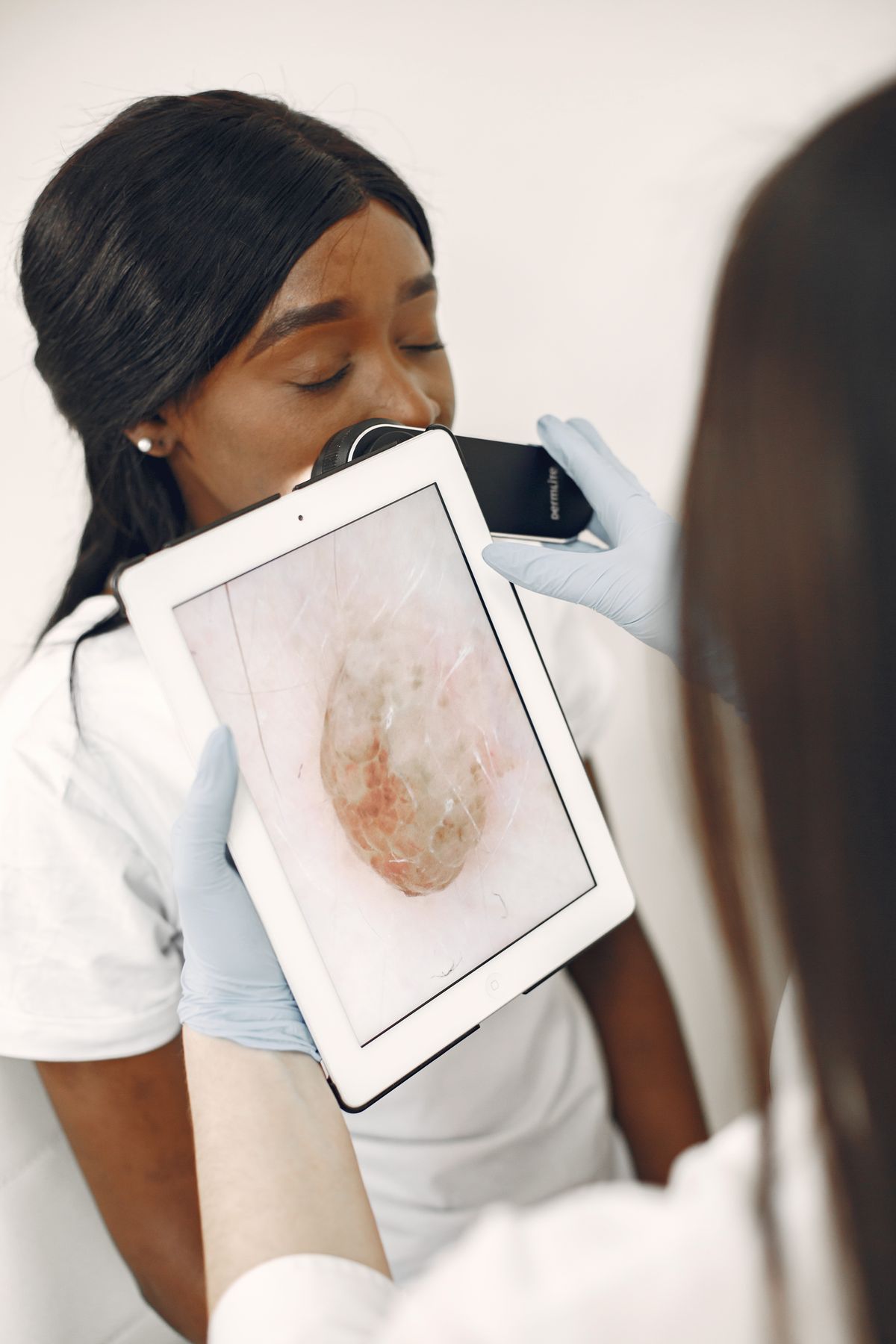
Image credit: Gustavo Fring on Pexels
Treatment Planning
A pigmentation plan should match the diagnosis. The right treatment for freckles may not be right for melasma. The right approach for post-acne marks may not be right for sunspots.
Topical Treatment
Topical treatment may include ingredients such as retinoids, azelaic acid, vitamin C, hydroquinone, cysteamine, kojic acid or tranexamic-acid-related products, depending on suitability and doctor advice. Prescription creams should be used carefully because irritation can worsen pigmentation.
Sunscreen and Photoprotection
Sunscreen is not optional in pigmentation care. The AAD’s melasma self-care guidance recommends broad-spectrum sunscreen, water resistance and SPF 30 or higher, applied before going outdoors. (American Academy of Dermatology)
A review on sunscreen in melasma and post-inflammatory hyperpigmentation also highlights that broad-spectrum protection, including UVA, UVB and visible light coverage, can play an important supportive role in melasma and PIH management. (PMC)
Laser Treatment
Laser may be considered for selected pigmentation such as freckles, sunspots and certain post-acne marks. However, not all pigmentation should be treated aggressively with laser. Melasma, in particular, may worsen if heat, inflammation or unsuitable settings trigger rebound pigmentation.
Patients visiting a Laser Clinic in Singapore should expect proper skin assessment before laser is recommended. Device type, wavelength, fluence, pulse duration, treatment interval and aftercare all matter.
Chemical Peels
Chemical peels may help certain superficial pigmentation or post-acne marks by encouraging controlled exfoliation. Patients considering Chemical Peel in Singapore should be assessed for skin sensitivity, active acne, melasma tendency and post-inflammatory hyperpigmentation risk.
Combination Treatment
Many pigmentation cases require combination treatment. For example, melasma may need sunscreen, topical therapy and cautious procedures. Post-acne marks may need acne control, brightening skincare and selected energy-based or peel treatment. Sunspots may need laser or other lesion-specific treatment after proper diagnosis.
What Happens Before Treatment?
Before pigmentation treatment, patients may need preparation to reduce risk and improve treatment response.
Stop Irritating Products Temporarily
The doctor may advise pausing strong exfoliating acids, retinoids, scrubs or harsh brightening products before procedures. This depends on skin condition and the planned treatment.
Start Sunscreen Consistently
Sunscreen should be used before treatment begins. If the skin is repeatedly exposed to UV, pigmentation may continue worsening.
Control Acne or Eczema
Active inflammation should be treated first. Acne, eczema and irritation can trigger new pigmentation.
Avoid Recent Tanning or Sunburn
Laser or chemical peel treatment should not be performed on recently sunburned or inflamed skin. Sun exposure increases the risk of post-treatment pigmentation.
Review Medication and Medical Conditions
Patients should inform the doctor about medications, pregnancy, breastfeeding, isotretinoin use, photosensitivity, history of cold sores, keloids or previous pigmentation worsening after procedures.
What Happens During Treatment?
The treatment experience depends on the chosen method.
During Pico Laser or Pigment Laser
The skin is usually cleansed first. Eye protection is used. The laser may feel like small snaps on the skin. Some patients experience warmth, mild stinging or tingling. The doctor adjusts settings based on pigmentation type and skin response.
After laser, the skin may look pink, slightly swollen or temporarily darker. Some spots may darken before they fade. This depends on the pigmentation type and treatment used.
During Chemical Peel
For a chemical peel, the skin is cleansed and a chemical solution is applied for a controlled time. Patients may feel tingling, warmth or mild stinging. The peel is then neutralised or removed depending on peel type.
After a peel, the skin may feel tight, dry or mildly red. Peeling may occur over the next few days, but not all peels produce visible peeling.
During Topical Treatment
Topical treatment is usually done at home with doctor guidance. The patient applies the medication or skincare according to instructions. Results are gradual and irritation should be monitored.
During Combination Treatment
Combination treatment may be staged across multiple visits. For example, a patient may begin with sunscreen and topical therapy, then proceed to laser, then maintenance skincare.
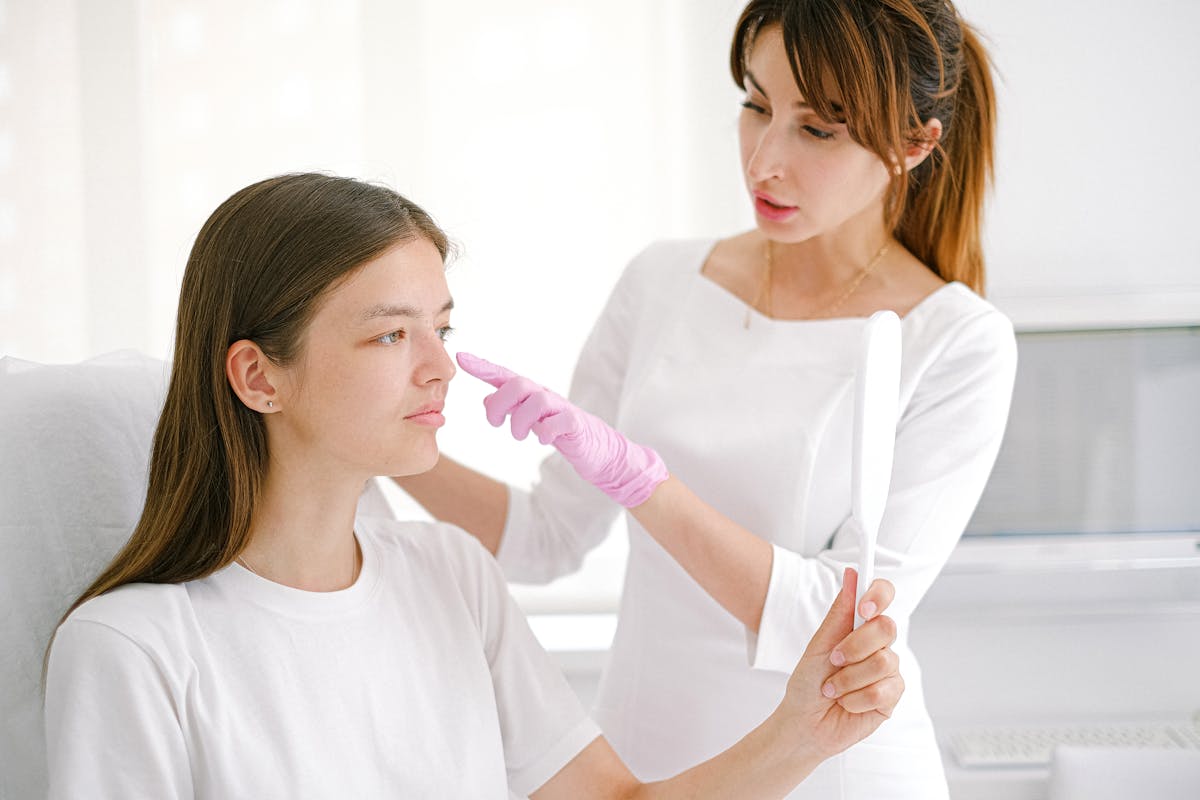
Image credit: Pexels
Aftercare After Pigmentation Treatment
Good pigmentation aftercare Singapore is essential because the skin may be more sensitive after treatment.
Use Gentle Skincare
After laser or peel, the skin should be treated gently. Use mild cleanser, moisturiser and sunscreen. Avoid scrubs, strong acids and harsh brightening products until the doctor says they are safe to restart.
Apply Sunscreen Daily
Sunscreen reduces the risk of post-treatment darkening and recurrence. Reapplication is important when outdoors, sweating or exposed to sunlight for long periods.
Avoid Picking or Scrubbing
If the skin flakes or spots darken temporarily, do not pick. Picking may cause irritation, infection or new pigmentation.
Avoid Excess Heat
Heat may worsen some pigmentation, especially melasma. Patients may be advised to avoid sauna, hot yoga, intense heat exposure and prolonged sun exposure after treatment.
Follow the Review Schedule
Follow-up allows the doctor to assess whether pigmentation is fading, stable or irritated. The treatment plan may need adjustment depending on skin response.
Benefits of Pigmentation Treatment
A well-planned pigmentation journey may help patients improve skin tone and understand their triggers.
More Even Skin Tone
Treatment may reduce the contrast between dark marks and surrounding skin, giving the face a more even appearance.
Better Management of Post-Acne Marks
When acne is controlled and pigmentation is treated properly, post-acne marks may fade more effectively.
Improved Confidence
Pigmentation on the face can affect confidence, especially when it is visible in photos or under makeup. Improvement can help patients feel more comfortable with their skin.
Personalised Long-Term Plan
A doctor-led plan helps patients understand which treatments are useful, which products to avoid and how to prevent recurrence.
Limitations of Pigmentation Treatment
Pigmentation treatment has real limitations that patients should understand before starting.
Melasma May Recur
Melasma is chronic for many patients. It may improve, but triggers such as sun, heat and hormones can cause recurrence.
Multiple Sessions May Be Needed
Laser, peels and topical treatments often require multiple sessions or months of consistent use.
Some Spots Need Medical Diagnosis
Age spots, sunspots and other pigmented lesions should be assessed before treatment, especially if they are changing or irregular.
Over-Treatment Can Worsen Pigmentation
Aggressive procedures, frequent peels or strong products may irritate the skin and trigger post-inflammatory hyperpigmentation.
Results Vary
Skin type, pigmentation depth, cause, aftercare and recurrence triggers all affect results.
Realistic Expectations
Pigmentation treatment is usually gradual. Patients should avoid expecting instant permanent clearance after one session.
What May Improve
Pigmentation treatment may help:
- Brown post-acne marks
- Uneven skin tone
- Selected freckles
- Selected sunspots
- Mild superficial pigmentation
- Melasma control in suitable cases
What May Not Fully Clear
Treatment may not fully clear:
- Deep pigmentation
- Chronic melasma
- Mixed pigmentation
- Recurrent pigmentation caused by hormones
- Pigmentation worsened by ongoing acne
- Spots that are not cosmetic pigmentation
Expected Timeline
Topical treatment may take weeks to months. Laser or peels may show gradual improvement over several sessions. Melasma often needs maintenance even after improvement.
How Progress Should Be Tracked
Progress should be assessed using consistent lighting and photos. Pigmentation can look different depending on camera settings, makeup, lighting and sun exposure.
Safety Considerations
Pigmentation treatment should be conservative and medically responsible.
Avoid Unsafe Whitening Products
Unregulated whitening creams may contain harmful or unsuitable ingredients. They can irritate the skin, thin the skin or worsen pigmentation.
Be Careful with Melasma Laser
A 2025 review on laser therapy in melasma treatment reviewed randomised controlled trials involving laser therapy for melasma and reflects that laser use in melasma requires careful evaluation rather than casual treatment selection. (PMC)
Another review on low-fluence Q-switched Nd:YAG laser treatment for melasma found it appeared generally effective and safe across reviewed studies, but the authors also noted the literature was heterogeneous, which means treatment should still be individualised. (PMC)
Watch for Skin Irritation
Redness, burning, excessive peeling or worsening pigmentation should be reviewed. Irritation can trigger new pigmentation.
Protect the Skin Barrier
A healthy skin barrier reduces sensitivity and improves treatment tolerance. Moisturising and gentle skincare are important.
Assess Changing Pigmented Lesions
Any suspicious or changing spot should be medically evaluated before aesthetic treatment.
Recovery After Pigmentation Treatment
Recovery varies depending on whether the treatment is topical, laser-based, peel-based or combined.
After Pico Laser or Pigment Laser
Patients may experience redness, mild swelling, warmth, temporary darkening or light crusting. Some pigmentation may look darker before fading.
After Chemical Peel
Chemical peels may cause dryness, tightness, mild redness, peeling and sensitivity. Peeling should not be forced.
After Topical Treatment
Some topical treatments may cause dryness or mild irritation. If irritation becomes significant, the doctor may adjust the frequency or product.
When to Contact the Clinic
Patients should contact the clinic if they experience severe pain, blistering, pus, spreading redness, worsening swelling, intense burning or sudden darkening that does not settle.
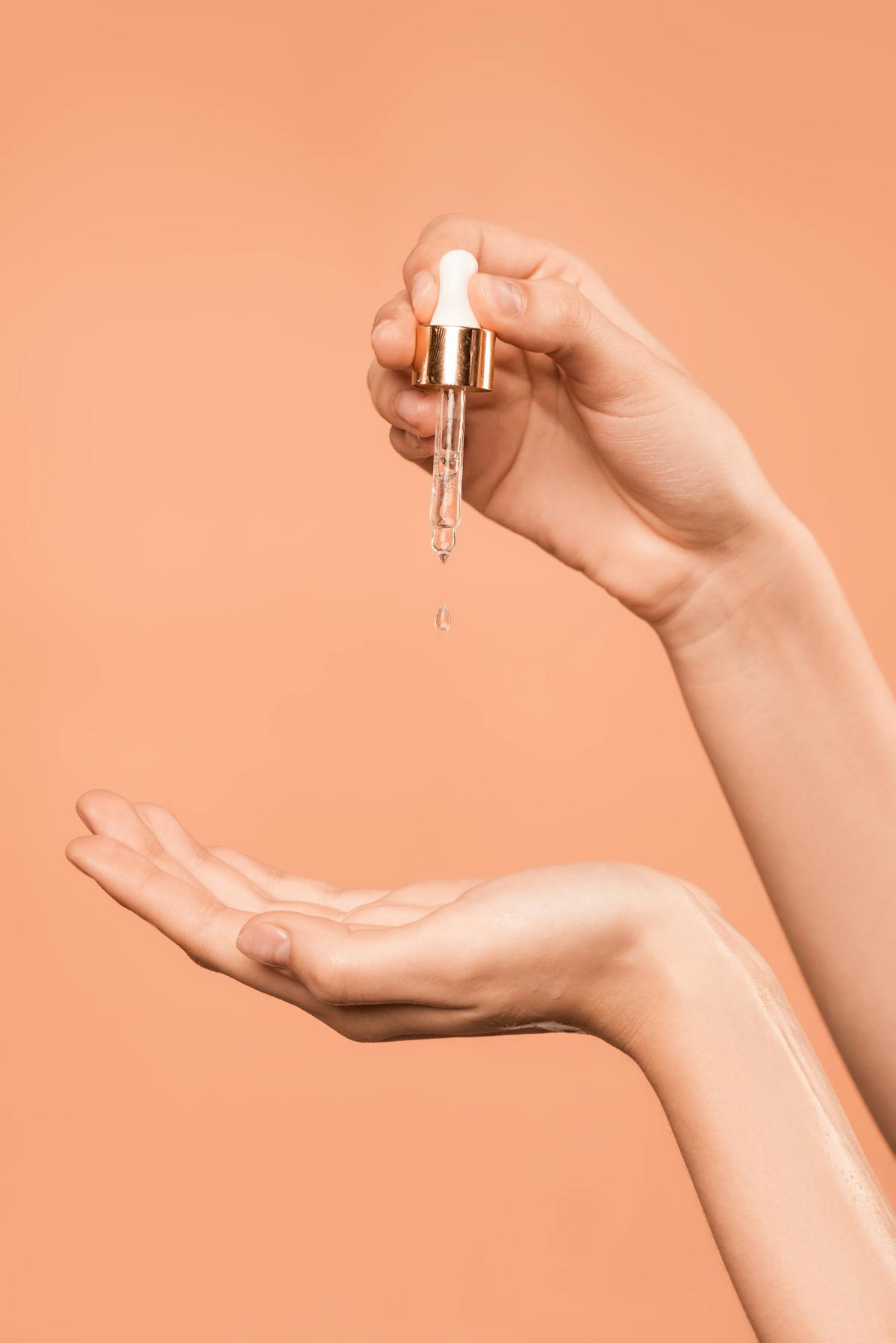
Image credit: Pexels
Prevention of Recurrence
Preventing pigmentation recurrence is part of treatment, not an optional step.
Daily Sunscreen
Use broad-spectrum sunscreen daily. Reapply when outdoors or sweating. Sunscreen is especially important after laser, peels and topical brightening treatments.
Physical Protection
Use hats, sunglasses and shade when possible. This is helpful in Singapore’s strong sun exposure.
Control Acne Early
Treat acne early to prevent new post-acne marks. Avoid picking pimples.
Avoid Unnecessary Irritation
Avoid over-exfoliation, harsh scrubs and strong actives used too frequently. A calm skin barrier reduces pigmentation risk.
Maintenance Treatment
Maintenance may include sunscreen, brightening skincare, periodic review or suitable maintenance procedures. The plan depends on pigmentation type and recurrence tendency.
FAQs About Pigmentation Treatment Journey Singapore
What is the first step in pigmentation treatment?
The first step is diagnosis. A doctor should assess whether the pigmentation is melasma, freckles, sunspots, post-acne marks or a mixed condition.
Is pico laser suitable for all pigmentation?
No. Pico laser may be suitable for selected pigmentation concerns, but melasma and inflammation-prone skin require caution.
How long does pigmentation treatment take?
It depends on the cause and depth. Some post-acne marks improve over weeks to months, while melasma may need long-term management.
Can pigmentation come back after treatment?
Yes. Pigmentation can return due to sun exposure, heat, hormones, acne, irritation or inconsistent maintenance.
Is chemical peel good for pigmentation?
Chemical peels may help selected superficial pigmentation or post-acne marks. The peel type and strength must be suitable for the patient’s skin.
What should I avoid after pigmentation treatment?
Avoid sun exposure, picking, scrubbing, harsh actives, strong heat and unapproved skincare until the skin has recovered.
Can sunscreen really help pigmentation?
Yes. Sunscreen helps reduce darkening and recurrence. It is one of the most important parts of pigmentation treatment.
Why did my pigmentation look darker after laser?
Some pigmentation may temporarily darken before fading. However, worsening or prolonged darkening should be reviewed.
Can I treat pigmentation while I still have acne?
Active acne should usually be controlled first or treated together because new acne can create new pigmentation.
Is pigmentation treatment permanent?
Some pigmentation may clear significantly, but recurrence is possible. Long-term prevention and maintenance are important.
Conclusion
The pigmentation treatment journey Singapore patients go through should begin with proper diagnosis and end with long-term prevention. Pigmentation is not one single condition. Melasma, freckles, sunspots and post-acne marks have different triggers, risks and treatment responses.
Before treatment, patients need skin assessment, sunscreen preparation, acne control and realistic expectations. During treatment, options may include topical therapy, pico laser, pigment laser, chemical peel or combination treatment. After treatment, gentle skincare, sunscreen and recurrence prevention are essential.
For patients searching for pigmentation treatment Singapore, laser pigmentation treatment Singapore, pigmentation consultation Singapore or pigmentation aftercare Singapore, Dr Plus Aesthetic Clinic Singapore offers doctor-led consultation and personalised pigmentation treatment planning. The focus is on identifying the pigmentation type, choosing suitable treatment, reducing risk and supporting long-term skin clarity with realistic expectations.
References
- American Academy of Dermatology — Melasma: Diagnosis and Treatment
- American Academy of Dermatology — Melasma Self-Care
- Postinflammatory Hyperpigmentation: A Review
- The Role of Sunscreen in Melasma and Postinflammatory Hyperpigmentation
- Mayo Clinic — Age Spots Diagnosis and Treatment
- Mayo Clinic — Age Spots Symptoms and Causes
- The Efficacy of Laser Therapy in Melasma Treatment
- Low-Fluence Q-Switched Nd:YAG Laser Treatment for Melasma
About Author