


Introduction
For patients researching dermal filler for acne scars Singapore, the most important question is not simply whether fillers can “remove” scars, but whether their scar type is suitable for filler-based correction. At Dr Plus Aesthetic Clinic Singapore, patients considering Dermal Filler in Singapore are assessed through doctor-led consultation to determine whether fillers, laser, subcision, PRP, microneedling, pigmentation treatment or a combination plan is more appropriate.
Dermal fillers may improve selected acne scars, especially certain depressed or atrophic scars. However, they are not suitable for every acne scar type. Some scars are narrow and deep, some are broad and shallow, some are tethered under the skin, and some are not true scars at all but post-acne pigmentation. This is why acne scar treatment should begin with proper scar assessment.
A review on dermal fillers in the treatment of acne scars reported that studies on fillers for acne scars showed promising results with no or minimal adverse events, although many studies had small participant numbers and more evidence is still needed. A separate clinical trial found that a hyaluronic acid filler achieved significant improvement in rolling atrophic scars compared with saline, although saline also produced modest improvement. (PMC)
The US FDA dermal filler safety information states that dermal fillers are medical device implants injected under the skin to improve a smoother or fuller appearance, and it also notes that non-absorbable fillers are approved in the United States only for nasolabial folds and cheek acne scars. Singapore patients should also be aware that the Ministry of Health states dermal fillers must be registered with HSA before supply in Singapore and should only be administered by qualified medical practitioners. (U.S. Food and Drug Administration)
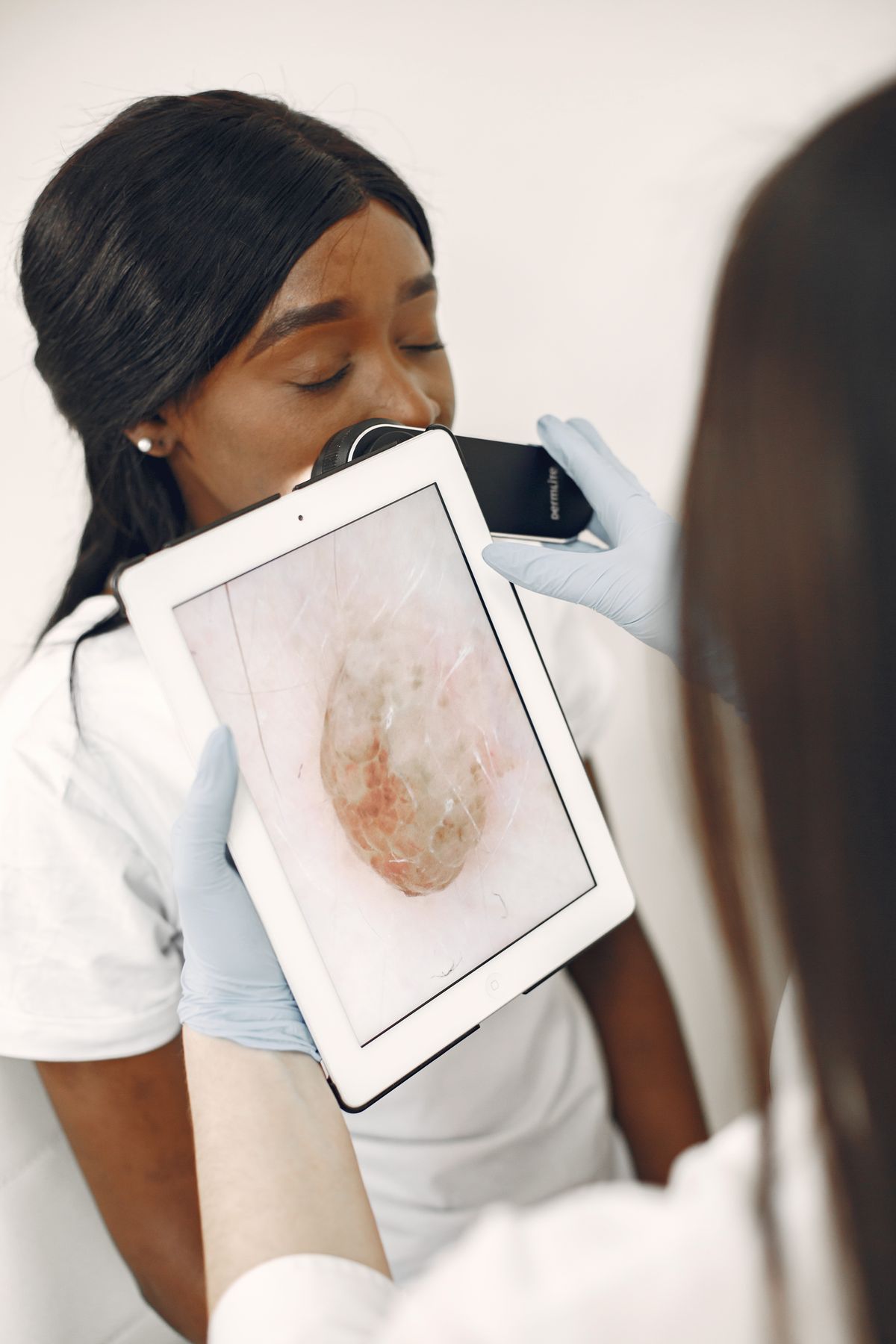
Image credit: Gustavo Fring on Pexels
Key Takeaways
| Key Point | Summary |
|---|---|
| Can fillers improve acne scars? | Yes, but mainly selected depressed acne scars, especially some rolling or soft atrophic scars. |
| Do fillers remove acne scars completely? | No. Fillers may improve the appearance of suitable scars, but complete scar removal is not realistic. |
| Best scar type for fillers | Soft, shallow, distensible rolling scars often respond better than narrow, deep ice pick scars. |
| Scars less suitable for fillers | Ice pick scars, raised scars, active acne, pigmentation-only marks and infected skin usually need other options. |
| Are results immediate? | Some improvement may be visible early, but swelling and settling can affect the final appearance. |
| Can fillers combine with other treatments? | Yes. Fillers may be combined with subcision, laser, PRP, microneedling or pigmentation treatment when appropriate. |
| Is acne scar filler safe? | It can be safe when properly performed, but risks include swelling, bruising, lumps, infection and rare vascular complications. |
How Acne Scars Form
Acne scars form when acne inflammation damages the deeper layers of the skin. During healing, the body produces collagen to repair the injury. If collagen is produced unevenly, the skin may heal with depressions, pits, raised areas or uneven texture.
Atrophic acne scars are depressed scars caused by loss of tissue or collagen support. These are the scars most commonly discussed when patients search for acne scar filler Singapore. In contrast, hypertrophic scars and keloids are raised scars caused by excess scar tissue. Fillers are generally not used for raised scars because the issue is excess tissue, not tissue loss.
Acne scars are more likely when acne is severe, inflamed, cystic, frequently picked, untreated for a long time or repeatedly occurs in the same area. A review of atrophic acne scarring notes that acne scars are commonly classified into ice pick, rolling and boxcar scars, and that treatment selection depends on scar type and depth. (PMC)
It is also important to separate acne scars from post-acne marks. A brown, red or purple mark after acne may be pigmentation or redness rather than a true scar. Fillers do not treat colour changes because pigmentation is not a volume problem. Patients with both dents and dark marks may need both texture treatment and pigmentation treatment.
Which Acne Scar Types May Respond to Fillers?
Not every acne scar should be treated with filler. The best candidates are usually selected depressed acne scars where the scar base can be lifted or supported.
Rolling Acne Scars
Rolling scars are broad, shallow depressions with soft, sloping edges. They often create a wave-like uneven surface, especially on the cheeks. These scars may be tethered by fibrous bands under the skin, pulling the skin downward.
Rolling scars are one of the scar types more likely to benefit from fillers, especially if the scar is soft and improves when the skin is stretched. The review on atrophic acne scarring states that dermal fillers are typically reserved for larger rolling scars due to filler molecule size and the precision needed for placement. (PMC)
Soft Atrophic Scars
Some shallow atrophic scars may respond to fillers when there is local tissue loss. The filler can help support the depression from underneath, making the surface appear smoother.
Distensible Scars
A distensible scar is a depressed scar that improves when the surrounding skin is stretched. These scars may respond better because the depression is not completely fixed or rigid. Filler may help support the area after assessment.
Boxcar Scars
Boxcar scars are round or oval depressions with more defined edges. Some shallow or broad boxcar scars may improve with filler, but many require resurfacing, punch techniques, subcision or combination treatment. Deep boxcar scars may not respond well to filler alone.
Ice Pick Scars
Ice pick scars are narrow, deep pits. They often extend deeper into the skin than they appear from the surface. Fillers are usually not the main treatment because the opening is small and the scar tract is deep. Treatments such as TCA CROSS, punch excision or laser-based resurfacing may be discussed instead, depending on suitability.

Image credit: Gustavo Fring on Pexels
How Dermal Fillers Help Depressed Scars
Dermal fillers may help acne scars through different mechanisms, depending on the product and scar type.
Lifting the Depressed Scar Base
Some acne scars look sunken because there is tissue loss or reduced support underneath. A filler can be placed beneath the depression to raise the scar base closer to the surrounding skin level. This may make the shadow or dent less obvious.
Replacing Lost Volume
Atrophic scars are linked to tissue loss. Fillers may replace or support some of that lost volume. This is especially useful when a scar is broad, shallow and located in an area with soft tissue deficiency.
Supporting the Area After Subcision
Subcision is a procedure used to release fibrous bands that pull rolling scars downward. In selected cases, filler may be placed after subcision to support the released space and reduce the chance of re-tethering. A review on fillers for acne scars notes that filler treatment may be used in acne scar management, but protocols vary and more robust studies are needed. (PMC)
Stimulating Collagen Response
Some fillers may also stimulate collagen production over time. However, not all fillers work the same way. Hyaluronic acid fillers mainly provide gel-based support, while collagen-stimulating fillers or semi-permanent fillers may work differently. Patients should ask what product is being used and why it is suitable for their scar type.
Treatment Options for Acne Scars
Acne scar treatment is often planned as a combination approach because different scars respond to different methods. Fillers may help some depressed scars, but they are rarely the only option for mixed scarring.
Dermal Fillers
Fillers may be suitable for selected rolling scars, soft atrophic scars or scars with local volume loss. The effect may be visible quickly, but swelling can affect the early appearance. Some fillers are temporary, while others last longer.
Subcision
Subcision is often considered for tethered rolling scars. A needle or cannula is used to release fibrous bands beneath the scar. This can help lift depressed scars and may be combined with filler in selected cases.
Laser Treatment
Laser treatment may help with overall texture, collagen remodelling and some post-acne marks, depending on the laser type and settings. Patients looking for broader acne scar treatment planning may benefit from assessment at a Laser Clinic in Singapore when the concern involves skin texture, pigmentation and resurfacing suitability.
Pico Laser
Pico laser is often discussed for pigmentation and certain textural concerns, although not every acne scar is suitable for pico laser alone. In patients with both post-acne pigmentation and acne scars, Pico Laser in Singapore may be considered as part of a broader treatment plan, but it should not be presented as a one-size-fits-all acne scar solution.
Microneedling and RF Microneedling
Microneedling creates controlled micro-injury to encourage skin remodelling. RF microneedling adds radiofrequency energy. These treatments may be considered for texture improvement, depending on skin type, scar pattern and downtime tolerance.
PRP
Platelet-rich plasma, or PRP, may be combined with other treatments to support healing and skin repair. PRP is not a filler, but it may be part of an acne scar plan for selected patients.
TCA CROSS
TCA CROSS is commonly discussed for ice pick scars. It targets narrow, deep scar openings using high-strength trichloroacetic acid applied carefully to the scar. This is very different from filler treatment and should be performed only after proper assessment.
Pigmentation Treatment
If a patient has brown or red post-acne marks, pigmentation treatment may be needed separately. Fillers do not lighten pigmentation because colour changes are not caused by volume loss.

Image credit: Pexels
Benefits of Dermal Fillers for Acne Scars
Dermal fillers may offer several benefits for suitable patients.
Targeted Improvement
Fillers can be placed under specific depressed scars rather than treating the whole face. This can be useful for patients with a few noticeable rolling scars or localised depressions.
Early Visible Change
Some improvement may be visible soon after treatment. This can be helpful for patients who want to see change earlier compared with collagen remodelling treatments that take months.
Combination Potential
Fillers can be combined with subcision, laser, microneedling, PRP or pigmentation treatment when medically appropriate. Combination treatment is often more logical for mixed acne scars than relying on one procedure.
Support for Rolling Scars
Rolling scars are often caused by tethering and volume loss. Filler may help support these areas after release or in scars that are already distensible.
Customisable Approach
The doctor can choose filler type, amount, depth and placement based on scar morphology. This is why acne scar filler treatment should not be copied from another person’s before-and-after photo.
Limitations of Dermal Fillers for Acne Scars
Fillers are useful, but they have important limitations.
They Do Not Remove Scars Completely
A realistic goal is improvement, not scar erasure. Fillers may reduce the appearance of depressions, but they do not create completely new skin.
They Are Not Suitable for Every Scar
Ice pick scars, very fibrotic scars, active acne, infected skin, raised scars and pigmentation-only marks usually need other treatments.
Results Are Variable
Results depend on scar type, scar depth, skin quality, filler type, placement technique and healing response. Two patients with “rolling scars” may still respond differently.
Maintenance May Be Needed
Many fillers are temporary. Depending on product type and individual metabolism, maintenance sessions may be required.
Risks Still Exist
Dermal fillers can cause swelling, bruising, lumps, asymmetry, infection, allergic reaction, vascular occlusion or other complications. The FDA warns that accidental injection into a blood vessel can cause serious complications, including tissue injury, vision problems or stroke. (U.S. Food and Drug Administration)
Realistic Expectations Before Treatment
Patients should understand what acne scar filler can and cannot do before starting treatment.
What Fillers May Improve
Fillers may improve:
- Soft rolling scars
- Broad shallow depressions
- Localised volume loss
- Distensible atrophic scars
- Selected depressed scars after subcision
- Shadowing caused by depressed tissue
What Fillers Usually Cannot Improve
Fillers usually cannot improve:
- Active inflamed acne
- Ice pick scars as the main treatment
- Raised keloid scars
- Brown pigmentation marks
- Red post-acne marks
- Large areas of rough texture by themselves
- Severe scarring without combination treatment
Improvement Takes Planning
Acne scar treatment is usually a journey. A patient may need acne control first, then scar classification, then staged treatment. The first session may focus on one scar type, while later sessions may address texture, pigmentation or remaining depressions.
Before-and-After Photos Can Mislead
Lighting, angles, makeup, camera quality and editing can change how acne scars appear. Good consultation should focus on realistic improvement under normal lighting, not perfect skin under edited conditions.
Safety Considerations
Dermal filler safety depends on product legitimacy, medical assessment, injection anatomy and complication management.
Choose a Qualified Medical Practitioner
Singapore MOH states that dermal fillers should only be administered by qualified medical practitioners for patient safety. (Ministry of Health) This is especially important for acne scar fillers because scars may require precise placement, and some areas of the face have higher vascular risk.
Avoid DIY Injectables
The HSA warning on DIY aesthetic injectable kits advises consumers against using unregistered DIY injectable kits sold through online and social media platforms for aesthetic purposes. (Health Sciences Authority) Patients should not buy fillers online or attempt self-injection.
Ask About the Product
Before treatment, patients should ask:
- What filler is being used?
- Is it hyaluronic acid, collagen-stimulating or another filler type?
- Is it suitable for acne scars?
- Is it appropriate for my scar type?
- Is it legally supplied in Singapore?
- What are the possible side effects?
- What symptoms need urgent attention?
Disclose Medical History
Patients should tell the doctor about allergies, pregnancy or breastfeeding, active skin infection, recent dental procedures, autoimmune conditions, previous fillers, medications, blood-thinning supplements and any past filler complications.
Understand Urgent Warning Signs
Seek urgent review if there is severe pain, skin blanching, dark skin colour change, visual symptoms, worsening swelling or unusual skin changes after filler treatment.
Recovery After Acne Scar Filler
Recovery depends on the number of scars treated, the filler used and whether filler is combined with subcision or laser.
Common Temporary Effects
Common short-term effects may include:
- Swelling
- Bruising
- Redness
- Tenderness
- Mild asymmetry
- Small bumps
- Temporary firmness
These usually improve with time, but patients should follow clinic instructions and return for review if symptoms are unusual.
General Aftercare
Aftercare may include:
- Avoid pressing or massaging the treated area unless instructed
- Avoid strenuous exercise for 24–48 hours
- Avoid alcohol soon after treatment if bruising is a concern
- Avoid facial treatments or strong heat exposure for a short period
- Keep the skin clean
- Avoid picking acne or scabs
- Use sunscreen daily
- Follow all doctor-specific instructions
If Combined with Subcision or Laser
If filler is combined with subcision, bruising may be more obvious. If combined with laser, redness, peeling or downtime may occur depending on treatment intensity. The recovery plan should be explained before treatment starts.

Image credit: Pexels
Prevention of Acne Scar Worsening
The best acne scar treatment is prevention. Once deep scars form, correction becomes more complex.
Treat Active Acne Early
Active acne should usually be controlled before scar procedures. New acne can create new scars and interfere with recovery.
Avoid Picking and Squeezing
Picking pimples increases inflammation and may worsen scarring or pigmentation. This is especially important for cystic or nodular acne.
Use Sunscreen
Sun exposure may worsen post-inflammatory pigmentation after acne and after procedures. Sunscreen is important for patients undergoing acne scar and pigmentation treatment.
Avoid Aggressive Home Treatments
Strong acids, harsh scrubs or unverified home remedies may irritate the skin and worsen pigmentation. Patients with acne scars should avoid trying aggressive treatments without medical guidance.
Seek Medical Advice for Cystic Acne
Painful cystic acne has a higher risk of scarring. Early medical treatment may reduce future scar burden.
FAQs About Dermal Filler for Acne Scars Singapore
Can dermal fillers remove acne scars permanently?
No. Dermal fillers may improve selected depressed acne scars, but they do not permanently remove scars. Results depend on scar type, filler type and individual response.
Which acne scars respond best to fillers?
Soft, broad, distensible rolling scars usually respond better than narrow ice pick scars. Some shallow depressed scars may also improve.
Can fillers treat ice pick scars?
Fillers are usually not the main treatment for ice pick scars. Ice pick scars are narrow and deep, so treatments such as TCA CROSS, punch techniques or laser combinations may be more suitable.
Can fillers treat post-acne dark marks?
No. Dark marks are pigmentation concerns, not volume defects. They may require sunscreen, topical treatment, chemical peel, laser or pigmentation-focused care.
Is acne scar filler painful?
Most patients experience mild to moderate discomfort. Numbing cream, local anaesthetic or filler containing lidocaine may help improve comfort.
How long do acne scar fillers last?
Duration depends on the product type, area treated and patient metabolism. Some fillers are temporary, while others last longer. Maintenance may be needed.
Can filler be combined with laser?
Yes, in selected cases. Fillers may address depressed scars, while laser may improve texture or pigmentation. Timing and sequencing should be planned by a doctor.
Can filler be combined with subcision?
Yes. For tethered rolling scars, filler may be used after subcision in selected cases to support the released scar area.
Is dermal filler for acne scars safe in Singapore?
It can be safe when performed by a qualified medical practitioner using appropriate products and technique. Patients should avoid DIY injectables or non-medical providers.
How do I know if I am suitable?
A doctor needs to assess your scar type, skin condition, active acne, pigmentation, medical history and expectations before recommending filler.
Conclusion
Dermal fillers can improve acne scars in selected patients, especially soft, depressed and distensible scars such as some rolling atrophic scars. However, fillers are not suitable for every scar type. Ice pick scars, raised scars, active acne and pigmentation-only marks usually need different treatment approaches.
For patients searching for dermal filler for acne scars Singapore, acne scar filler Singapore, depressed acne scar treatment Singapore or rolling acne scar filler, the safest first step is a doctor-led consultation. A suitable plan should identify scar type, control active acne, separate pigmentation from true scarring and decide whether filler, laser, subcision, PRP, microneedling or a combination approach is most appropriate.
Dr Plus Aesthetic Clinic Singapore offers doctor-led consultation and personalised acne scar treatment planning for patients who want medically responsible care. The goal is not to promise perfect skin, but to assess suitability, improve selected concerns safely and create a realistic treatment journey based on each patient’s skin and scar pattern.
References
- Dermal Fillers in the Treatment of Acne Scars: A Review
- A Split-Face, Blind, Randomized Placebo-Controlled Clinical Trial of Hyaluronic Acid Filler for Atrophic Facial Scars
- Atrophic Acne Scarring: A Review of Treatment Options
- US FDA — Dermal Fillers Safety Information
- Singapore MOH — Regulating Do-It-Yourself Aesthetic Injectable Kits
- HSA Singapore — Dangers of DIY Aesthetic Injectable Kits
About Author