

Introduction
Pigmentation on the face can appear as brown patches, dark spots, freckles, sunspots or marks left behind after acne. For Singaporean patients, the challenge is that different types of pigmentation may look similar at first glance but need different treatment plans. At Dr Plus Aesthetic Clinic Singapore, patients considering Pico Laser in Singapore for pigmentation concerns are assessed carefully to determine whether the pigmentation is melasma, freckles, sunspots, post-acne marks or a mixed condition.
Facial pigmentation is not just a cosmetic colour issue. It may be linked to sun exposure, hormonal changes, inflammation, acne, skin injury, ageing, genetics, medication, or the way the skin produces and distributes melanin. Some pigmentation sits closer to the surface of the skin and may respond faster. Other pigmentation may be deeper, recurrent or easily triggered again.
For example, melasma is often chronic and relapse-prone. The American Academy of Dermatology states in its melasma diagnosis and treatment guidance that there is no single best treatment for melasma and that effective management often combines sun protection, topical medications and sometimes procedures. (American Academy of Dermatology) Post-inflammatory hyperpigmentation, or PIH, is also common after acne or skin inflammation and may affect darker skin tones with greater frequency and severity, according to a review on post-inflammatory hyperpigmentation. (PMC)

Image credit: Gustavo Fring on Pexels
Key Takeaways
| Key Point | Summary |
|---|---|
| What is facial pigmentation? | Facial pigmentation refers to dark spots, patches or uneven skin colour caused by increased melanin production or uneven pigment distribution. |
| Common types | Melasma, freckles, sunspots and post-acne marks are common pigmentation concerns on the face. |
| Why diagnosis matters | Different pigmentation types need different treatment plans; treating all brown marks the same way can worsen results. |
| Melasma | Melasma often appears as symmetrical brown or grey-brown patches and can recur after treatment. |
| Freckles | Freckles are usually small brown spots that become more visible with sun exposure and may have a genetic tendency. |
| Sunspots | Sunspots, also called solar lentigines, are linked to chronic ultraviolet exposure and commonly appear on sun-exposed skin. |
| Post-acne marks | Post-acne pigmentation appears after acne inflammation and is different from true acne scars, which involve texture changes. |
| Treatment principle | Sun protection, accurate diagnosis, topical care and careful procedure selection are important for long-term control. |
What Is Pigmentation?
Pigmentation refers to the colour of the skin. The main pigment responsible for skin colour is melanin, which is produced by cells called melanocytes. When melanin production increases or becomes uneven, dark spots or patches may appear.
Facial pigmentation may be superficial, deeper or mixed. Superficial pigmentation tends to sit closer to the upper layers of the skin, while deeper pigmentation may be harder to treat. Some pigmentation is stable, while some continues to worsen with sun exposure, heat, hormones or inflammation.
Pigmentation vs Scars
Many patients confuse pigmentation with scarring. Pigmentation is a colour change. A scar is a texture change. A brown mark after acne may be post-inflammatory hyperpigmentation, while an acne scar may look like a dent, pit or raised area. This distinction matters because pigmentation treatment may not improve depressed acne scars, and acne scar treatment may not lighten pigmentation.
Why Pigmentation Is Common in Singapore
Singapore has strong year-round ultraviolet exposure. UV light can trigger melanin production, worsen existing pigmentation and increase recurrence after treatment. Heat and visible light may also play a role in certain pigmentation conditions, especially melasma. This makes prevention and maintenance especially important for patients in Singapore.
The American Academy of Dermatology recommends sunscreen, hats and avoiding peak sun hours to prevent hyperpigmentation from developing again in its dark spot prevention guidance. (American Academy of Dermatology)
Melasma
Melasma is a common pigmentation condition that usually appears as brown, grey-brown or tan patches on the face. It often affects the cheeks, forehead, upper lip, chin or nose bridge. It may appear symmetrical, meaning both sides of the face are affected in a similar pattern.
What Melasma Looks Like
Melasma may appear as:
- Flat brown or grey-brown patches
- Symmetrical pigmentation
- Pigment on cheeks, forehead or upper lip
- Patchy rather than spot-like marks
- Pigmentation that worsens with sun exposure
- Pigmentation that improves and returns again
What Causes Melasma?
Melasma is complex. Common triggers include ultraviolet light, visible light, heat, hormonal changes, pregnancy, oral contraceptives, genetics and inflammation. It can be difficult to treat because multiple triggers may be active at the same time.
Mayo Clinic notes in its melasma treatment Q&A that melasma can be challenging to clear completely and may come back after treatment. It also explains that sun protection, topical medications and cosmetic procedures are often combined for best results. (Mayo Clinic News Network)
Why Melasma Needs Caution
Melasma can worsen if treatment is too aggressive. Strong heat, irritation, inflammation or unsuitable laser settings may trigger rebound pigmentation. This is why melasma treatment should be personalised rather than based only on online before-and-after photos.
Freckles
Freckles are small, flat brown spots that often become darker or more noticeable after sun exposure. They are more common in people with lighter skin or genetic tendency, but they can appear in different skin types.
What Freckles Look Like
Freckles are usually:
- Small
- Light brown to darker brown
- Flat
- More visible after sun exposure
- Common on the nose and cheeks
- Often multiple and scattered
Freckles are usually harmless, but patients should still monitor changing spots, especially if a spot becomes irregular, painful, bleeding, rapidly enlarging or unusually dark.
Freckles vs Sunspots
Freckles and sunspots can look similar, but they are not exactly the same. Freckles often appear earlier in life and darken with sun exposure. Sunspots, or solar lentigines, are more linked to chronic ultraviolet exposure over time.
DermNet’s page on brown spots and freckles notes that brown marks may be treated with topical ingredients, chemical peels, cryotherapy or certain pigment lasers, depending on diagnosis and suitability. (DermNet®)
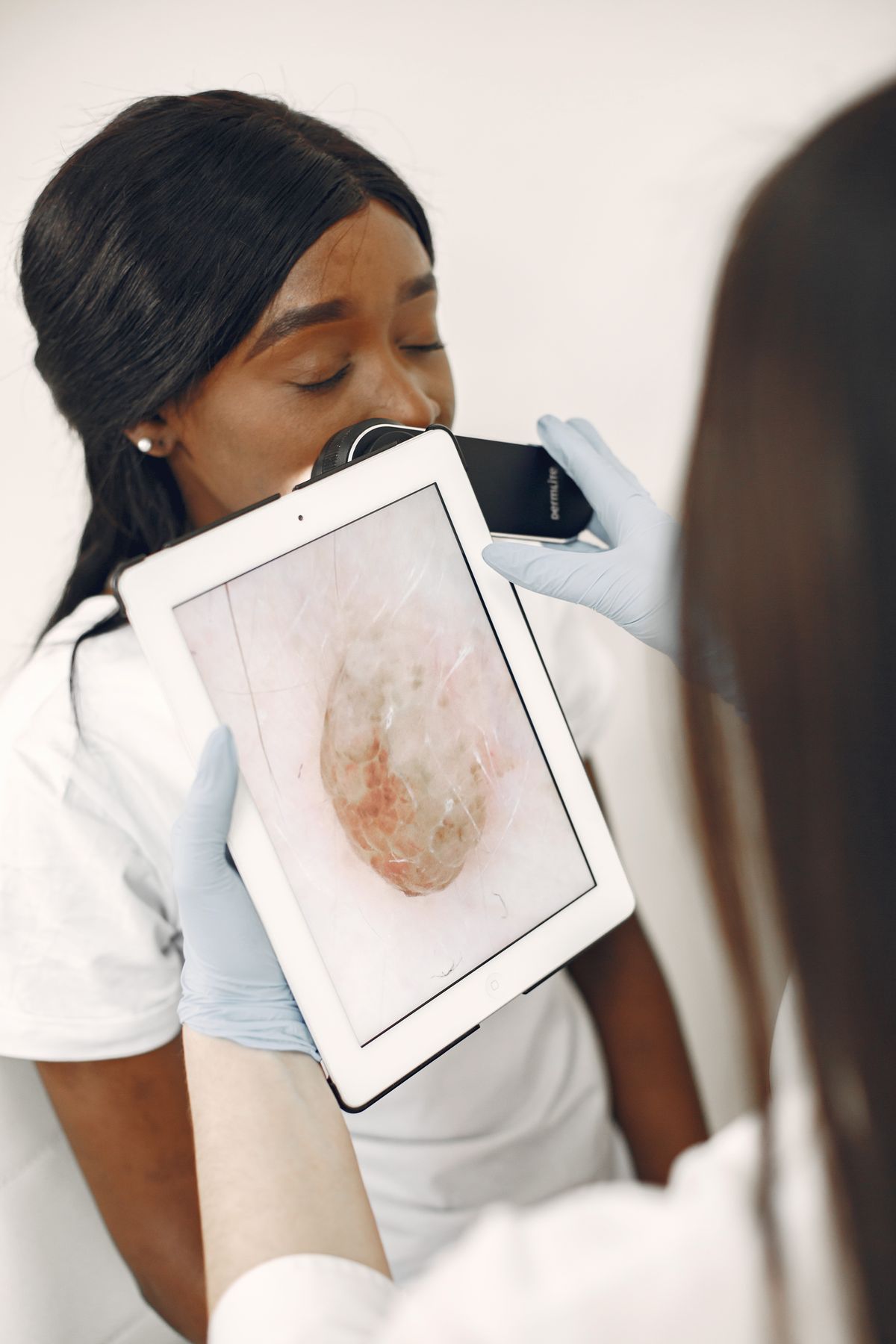
Image credit: Gustavo Fring on Pexels
Sunspots
Sunspots are also called solar lentigines, liver spots or age spots. They are flat brown marks that commonly appear on sun-exposed areas such as the face, hands, arms and shoulders. On the face, they may appear on the cheeks, temples, nose or forehead.
What Sunspots Look Like
Sunspots are usually:
- Flat
- Brown to dark brown
- Well-defined
- More common with age
- Found on sun-exposed areas
- Often persistent without treatment
DermNet describes solar lentigo as a common, benign, flat pigmented lesion found mainly on sun-exposed skin and caused by chronic exposure to ultraviolet radiation. (DermNet®)
Why Sunspots Need Proper Diagnosis
Most sunspots are benign, but some skin cancers or precancerous lesions can resemble pigmentation. The American Academy of Dermatology warns in its age spot guidance that what looks like an age spot could be skin cancer, so patients should seek a skin exam before treating age spots cosmetically. (American Academy of Dermatology)
This is especially important if a spot is changing, irregular, bleeding, itchy, painful, growing quickly or has multiple colours.
Post-Acne Marks
Post-acne marks are common after pimples heal. They can appear as brown, red, purple or greyish marks. In Singapore, many patients search for post-acne marks Singapore because even after acne improves, the marks can remain visible for months.
Post-Inflammatory Hyperpigmentation
Post-inflammatory hyperpigmentation, or PIH, is darkening after skin inflammation. Acne is one of the most common triggers. PIH is more common and more persistent in darker skin tones.
A review on post-inflammatory hyperpigmentation in skin of colour explains that PIH occurs after inflammation or injury and tends to affect darker skin types with greater frequency and severity. (PMC)
Post-Inflammatory Erythema
Some post-acne marks are red or pink rather than brown. These may be related to blood vessel changes or inflammation. They require different management from brown pigmentation.
Post-Acne Marks vs Acne Scars
Post-acne marks are colour changes. Acne scars are texture changes. A patient may have both. For example, a cheek may have brown marks and rolling scars at the same time. Treating pigmentation alone may fade the colour, but it will not lift depressed scars.
Causes of Facial Pigmentation
Facial pigmentation can have multiple causes. Identifying the trigger helps prevent recurrence.
Sun Exposure
Ultraviolet exposure is one of the most important pigmentation triggers. It can darken freckles, worsen melasma, trigger sunspots and prolong post-acne marks.
Hormonal Factors
Hormonal changes can contribute to melasma. This may occur during pregnancy, with oral contraceptives or other hormonal influences. Not every patient has a clear hormonal trigger, but it should be considered.
Acne and Inflammation
Acne, eczema, irritation, burns, aggressive skincare and procedures can trigger post-inflammatory hyperpigmentation. Inflammation stimulates pigment production during healing.
Ageing and Cumulative UV Damage
Sunspots often develop gradually after years of UV exposure. They may become more noticeable with age.
Genetics
Some people are more prone to freckles, melasma or pigmentation after inflammation because of genetic factors and skin type.
Medications and Medical Conditions
Some medications and medical conditions can contribute to pigmentation changes. A doctor should review medical history when pigmentation is persistent, widespread or unusual.
Risk Factors
Certain factors make pigmentation more likely or harder to treat.
Darker Skin Types
Darker skin types have more active melanin response and may be more prone to post-inflammatory hyperpigmentation after acne, irritation or procedures.
Strong Sun Exposure
Singapore’s climate makes daily sun protection important. Even short daily exposure can worsen pigmentation over time.
Inconsistent Sunscreen Use
Treatment is less effective if pigmentation is repeatedly triggered by UV exposure. Sunscreen is not only prevention; it is part of pigmentation management.
A review on sunscreen in melasma and post-inflammatory hyperpigmentation discusses the role of sunscreen in pigmentary disorders and highlights that visible light and ultraviolet exposure are relevant in melasma and PIH management. (PMC)
Overly Aggressive Skincare
Harsh scrubs, strong acids, unregulated bleaching creams or frequent exfoliation may irritate the skin and worsen pigmentation.
Active Acne
New acne lesions can create new post-acne marks. Acne control is important before focusing only on pigmentation treatment.
Diagnosis and Skin Assessment
A pigmentation consultation should identify the type of pigmentation before treatment starts.
Visual Examination
The doctor assesses the colour, pattern, depth, distribution and shape of pigmentation. Melasma often appears as patches, while freckles and sunspots are more spot-like. Post-acne marks often follow the location of previous acne.
Skin History
The doctor may ask about acne history, pregnancy, hormonal medication, sun exposure, skincare products, previous laser treatments, chemical peels, allergies, sensitivity and pigmentation recurrence.
Dermoscopy or Skin Imaging
In some cases, magnification or skin imaging may help assess pigment pattern or differentiate benign spots from suspicious lesions.
When to Refer for Skin Lesion Evaluation
Any spot that changes rapidly, bleeds, itches, hurts, develops irregular borders or has multiple colours should be assessed medically before cosmetic treatment.
Treatment Options
There is no single best pigmentation treatment Singapore option for every patient. The correct plan depends on pigmentation type, skin tone, trigger, depth, recurrence risk and downtime tolerance.
Topical Skincare and Prescription Creams
Topical options may include ingredients such as retinoids, azelaic acid, vitamin C, kojic acid, hydroquinone, cysteamine or tranexamic-acid-related formulations, depending on suitability and doctor advice. Prescription products should be used carefully because irritation can worsen pigmentation.
Sunscreen and Photoprotection
Sunscreen is foundational. Broad-spectrum sunscreen, hats, shade and sun avoidance during peak hours help prevent worsening and recurrence.
AAD’s melasma self-care guidance recommends sunscreen with broad-spectrum protection, SPF 30 or higher and reapplication at least every two hours when outdoors. (American Academy of Dermatology)
Laser-Based Pigmentation Treatment
Laser may be considered for selected pigmentation types such as freckles, sunspots or some post-acne marks. However, melasma requires caution because excessive heat or irritation may worsen pigmentation.
Patients may visit a Laser Clinic in Singapore for assessment, but the doctor should decide whether laser is suitable, which device is appropriate and whether topical control should come first.
Chemical Peels
Chemical peels may help certain superficial pigmentation and post-acne marks by promoting controlled exfoliation. However, peel type and strength must be selected carefully. Patients considering Chemical Peel in Singapore should have their skin assessed first, especially if they are prone to post-inflammatory hyperpigmentation.
Mayo Clinic lists chemical peels, laser, dermabrasion and medications among treatment options for age spots, while noting that prescription bleaching creams may gradually fade spots over months in its age spots treatment guidance. (Mayo Clinic)
Combination Treatment
Many pigmentation cases need combination treatment. For example, melasma may need sunscreen, topical medication and cautious procedures. Post-acne pigmentation may need acne control, topical brightening, sunscreen and selected laser or peel treatment.
Image credit: Pexels
Benefits of Pigmentation Treatment
A personalised pigmentation plan may offer several benefits.
More Even Skin Tone
Treatment may help reduce the appearance of dark patches, spots or post-acne marks, making the face look more even.
Better Treatment Matching
Identifying whether pigmentation is melasma, freckles, sunspots or PIH helps avoid unsuitable treatment.
Reduced Recurrence Risk
When triggers are addressed, pigmentation may be better controlled. Sun protection and maintenance skincare are important.
Improved Confidence
Facial pigmentation can affect confidence, especially when marks are visible in photos or makeup does not conceal them well.
Safer Long-Term Planning
Doctor-led treatment reduces the risk of overuse of harsh creams, unsafe bleaching products or aggressive procedures.
Limitations of Pigmentation Treatment
Pigmentation treatment has limits.
Some Pigmentation Recurs
Melasma can recur even after improvement. Long-term maintenance is often needed.
Results Take Time
Topical treatments and sunscreen often require weeks to months. Procedures may need multiple sessions.
Not All Spots Are Cosmetic
Some spots need medical assessment before aesthetic treatment. Suspicious lesions should not be treated cosmetically without diagnosis.
Skin Irritation Can Worsen Pigmentation
Overly strong products or aggressive procedures may trigger post-inflammatory pigmentation, especially in pigmentation-prone skin.
Complete Clearance Is Not Always Realistic
Improvement may be significant, but perfect evenness is not guaranteed. Some pigmentation may remain or return.
Realistic Expectations
A realistic pigmentation treatment goal is gradual improvement and better control.
What May Improve
Treatment may reduce brown patches, fade post-acne marks, lighten sunspots, improve uneven tone and reduce pigment recurrence when maintenance is followed.
What May Not Fully Improve
Deep pigmentation, chronic melasma, mixed pigmentation and pigmentation triggered by ongoing acne or sun exposure may be harder to clear completely.
Why Maintenance Matters
Pigmentation often needs maintenance. Even after improvement, sun exposure, hormones, inflammation or acne can trigger recurrence.
Why Photos Can Be Misleading
Lighting and camera settings can change the appearance of pigmentation. Progress should be assessed under consistent lighting and realistic timelines.
Safety Considerations
Pigmentation treatment should be medically responsible.
Avoid Unregulated Bleaching Products
Some products may contain unsafe ingredients or inappropriate steroid combinations. These can cause irritation, thinning skin, acne, rebound pigmentation or other complications.
Avoid Aggressive DIY Peels
Strong home peels may burn the skin and worsen pigmentation. Professional assessment is safer.
Be Careful with Lasers for Melasma
Laser may help selected pigmentation, but melasma can worsen if treatment is unsuitable. A conservative approach is important.
Use Sunscreen After Procedures
Post-treatment skin may be more sensitive to UV exposure. Sunscreen reduces the risk of darkening and recurrence.
Check Changing Spots
If a pigmented lesion changes in colour, size, border or symptoms, seek medical assessment before cosmetic treatment.
Recovery After Pigmentation Treatment
Recovery depends on the treatment used.
After Topical Treatment
Topical treatments may cause dryness, mild peeling, redness or irritation. If irritation is significant, pigmentation may worsen, so treatment should be adjusted.
After Laser
Laser may cause redness, mild swelling, temporary darkening or light peeling. Some pigmentation may darken before fading, depending on the treatment and pigment type.
After Chemical Peel
Chemical peels may cause redness, tightness, dryness, peeling and temporary sensitivity. Aftercare and sunscreen are important.
General Aftercare
Aftercare may include:
- Gentle cleansing
- Moisturiser
- Daily sunscreen
- Avoiding harsh actives temporarily
- Avoiding picking or scrubbing
- Avoiding unnecessary sun exposure
- Following doctor instructions
- Returning for review if pigmentation worsens

Image credit: Pexels
Prevention
Preventing pigmentation recurrence is as important as treating existing marks.
Use Sunscreen Daily
Use broad-spectrum sunscreen consistently, even on cloudy days. Reapply when outdoors, sweating or after washing the face.
Wear Physical Protection
Hats, sunglasses and shade reduce UV exposure. This is helpful in Singapore’s outdoor environment.
Control Acne Early
Acne control reduces new post-acne marks. Avoid picking pimples to reduce inflammation.
Avoid Irritating Skincare
Use gentle products and avoid over-exfoliation. A damaged skin barrier may increase pigmentation risk.
Maintain Results
Pigmentation maintenance may include sunscreen, topical ingredients, follow-up sessions and trigger control.
FAQs About Pigmentation on Face Singapore
What causes pigmentation on the face?
Facial pigmentation may be caused by sun exposure, hormones, acne, inflammation, ageing, genetics, medication or skin injury.
What is the difference between melasma and pigmentation?
Pigmentation is a general term for dark spots or patches. Melasma is a specific type of pigmentation that often appears as symmetrical brown or grey-brown facial patches and may be triggered by hormones, sun and heat.
Are freckles the same as sunspots?
No. Freckles often appear earlier and darken with sun exposure, while sunspots are more linked to long-term UV exposure and ageing.
Are post-acne marks acne scars?
No. Post-acne marks are colour changes. Acne scars are texture changes such as dents, pits or raised scars.
Can pigmentation be permanently removed?
Some pigmentation can improve significantly, but recurrence is possible, especially with melasma or ongoing sun exposure.
Is pico laser suitable for pigmentation?
Pico laser may be suitable for selected pigmentation types, but not all pigmentation should be treated the same way. Melasma requires caution.
Can chemical peels treat pigmentation?
Chemical peels may help selected superficial pigmentation and post-acne marks, but peel choice and strength must be suitable for the patient’s skin.
Why does pigmentation come back?
Pigmentation can recur due to sun exposure, heat, hormones, inflammation, acne, irritation or inadequate maintenance.
How long does pigmentation treatment take?
It depends on the type and depth of pigmentation. Some marks improve over weeks to months, while melasma may need long-term control.
When should I see a doctor for pigmentation?
Seek assessment if pigmentation is persistent, worsening, changing, irregular, symptomatic, or if you are unsure whether it is benign.
Conclusion
Pigmentation on the face can include melasma, freckles, sunspots and post-acne marks. Although these concerns may all appear as “dark spots,” they have different causes, risks and treatment approaches. Melasma may be chronic and recurrent, freckles may darken with sun exposure, sunspots are linked to cumulative UV exposure, and post-acne marks develop after inflammation.
For patients searching for pigmentation on face Singapore, pigmentation treatment Singapore, melasma treatment Singapore, freckles treatment Singapore, sunspot treatment Singapore or post-acne marks Singapore, the safest first step is a proper skin assessment. Treatment should identify the pigmentation type, address triggers, choose suitable topical or procedural options and include long-term prevention.
Dr Plus Aesthetic Clinic Singapore offers doctor-led consultation and personalised pigmentation treatment planning for patients who want medically responsible care. The focus is on accurate assessment, realistic expectations, sun protection, safe treatment selection and long-term maintenance.
References
- American Academy of Dermatology — Melasma: Diagnosis and Treatment
- Mayo Clinic — Treating Melasma
- Postinflammatory Hyperpigmentation: A Review
- American Academy of Dermatology — How to Fade Dark Spots in Darker Skin Tones
- DermNet — Brown Spots, Lentigos and Freckles
- DermNet — Solar Lentigo
- American Academy of Dermatology — What Can Get Rid of Age Spots?
- The Role of Sunscreen in Melasma and Postinflammatory Hyperpigmentation
- American Academy of Dermatology — Melasma Self-Care
- Mayo Clinic — Age Spots Diagnosis and Treatment
About Author