


Introduction
Pigmentation can be frustrating when dark spots fade for a while, then slowly return after sun exposure, acne breakouts, heat, hormones, or unsuitable skincare. At Dr Plus Aesthetic Clinic Singapore, patients considering Pico Laser in Singapore are assessed first to understand whether their pigmentation is suitable for laser treatment, topical care, chemical peel, maintenance skincare, or a combination plan.
For many patients searching for pigmentation keeps coming back Singapore, the main issue is recurrence. They may have tried brightening products, facials, laser sessions, peels, or sunscreen, but the pigmentation still returns. This is common because pigmentation is not only a surface stain. It is often a biological response involving melanin production, inflammation, ultraviolet exposure, visible light, heat, skin irritation, hormones, and skin barrier health.
Melasma is especially known for recurrence. The American Academy of Dermatology explains in its melasma treatment guidance that there is no single best treatment for melasma and that effective management often combines sun protection, topical medications, and sometimes procedures. Broad-spectrum sunscreen and visible-light protection are also important in melasma and post-inflammatory hyperpigmentation, according to a review on sunscreen in melasma and PIH. (American Academy of Dermatology)

Image credit: Gustavo Fring on Pexels
Key Takeaways
| Key Point | Summary |
|---|---|
| Why pigmentation returns | Pigmentation may recur because triggers such as sun exposure, heat, hormones, acne, irritation, and inflammation remain active. |
| Melasma recurrence | Melasma is often chronic and relapse-prone, so maintenance is usually needed even after improvement. |
| Sunscreen matters | Daily broad-spectrum sunscreen, reapplication, and visible-light protection can help reduce recurrence risk. |
| Skincare mistakes | Over-exfoliation, harsh brightening products, picking acne, and inconsistent sunscreen can worsen pigmentation. |
| Treatment choice matters | The wrong laser, peel, or product may irritate the skin and trigger post-inflammatory hyperpigmentation. |
| Doctor assessment | Proper diagnosis helps separate melasma, freckles, sunspots, post-acne marks, and other causes. |
| Prevention plan | Long-term prevention usually combines sunscreen, trigger control, gentle skincare, and maintenance treatments when suitable. |
Why Pigmentation Recurs
Pigmentation recurs because the skin continues to respond to triggers. Even when visible dark marks fade, melanocytes can remain sensitive. If the trigger returns, pigment production may increase again.
Pigmentation Is a Skin Response, Not Just a Stain
Pigmentation is caused by melanin production and distribution. Melanin is the pigment that gives skin its colour. When the skin is exposed to inflammation, ultraviolet light, visible light, hormonal triggers, or irritation, melanocytes may produce more melanin. This can create brown spots, patches, or uneven skin tone.
Some Pigmentation Types Are Naturally Recurrent
Melasma is one of the most recurrence-prone pigmentation conditions. It often appears as symmetrical brown or grey-brown patches on the cheeks, forehead, upper lip, or nose bridge. Even after treatment, melasma may return if sun exposure, heat, hormones, or irritation continue.
Post-inflammatory hyperpigmentation, or PIH, can also recur if acne, eczema, friction, or skin injury keeps happening. A review on post-inflammatory hyperpigmentation explains that PIH occurs after inflammation or injury and is more frequent and severe in darker skin types. (PMC)
Improvement Does Not Mean the Trigger Is Gone
A patient may complete several sessions of pigmentation treatment and see improvement, but if they stop sunscreen, restart harsh skincare, pick pimples, or expose the skin to heat and UV, pigmentation may return. This is why pigmentation prevention Singapore should be part of the treatment plan from the beginning.
Common Triggers That Make Pigmentation Come Back
Pigmentation recurrence usually has more than one trigger. A patient may blame one product or one laser session, but the real cause may be a combination of sun exposure, acne, hormones, and skin irritation.
Ultraviolet Exposure
UV exposure is one of the most common reasons pigmentation returns. It can darken melasma, freckles, sunspots, and post-acne marks. In Singapore, UV exposure is strong throughout the year, so pigmentation-prone patients often need daily protection, not only sunscreen on beach days.
Visible Light and Heat
Visible light, especially blue-violet light, may worsen pigmentation in susceptible patients. Heat may also trigger melasma flares in some people. This is why patients with melasma sometimes notice worsening after outdoor activities, hot environments, or procedures that create too much irritation.
The review on sunscreen in melasma and post-inflammatory hyperpigmentation found that protection covering UVA, UVB, and visible light can play an adjuvant role in managing melasma and PIH, especially in skin of colour. (PMC)
Acne and Skin Inflammation
Acne is a common trigger for post-acne marks. Every new inflamed pimple can leave a new brown or red mark. Treating pigmentation without controlling acne may feel like a cycle because new marks keep replacing old ones.
Hormonal Factors
Hormonal changes can contribute to melasma. Pregnancy, oral contraceptives, hormonal therapy, and individual hormonal sensitivity may influence pigmentation. Not every patient has a clear hormonal trigger, but it should be considered when pigmentation is symmetrical, recurrent, and patchy.
Skin Irritation
Irritation from strong acids, aggressive retinoids, scrubs, frequent peels, unsuitable lasers, or unregulated brightening creams can trigger post-inflammatory pigmentation. The skin may look brighter temporarily, then darken again because inflammation stimulates pigment production.
Sun Exposure: The Biggest Daily Trigger
Sun exposure is one of the most important reasons pigmentation returns after treatment.
Why Singapore’s Climate Matters
In Singapore, sun exposure happens during commuting, driving, walking to lunch, exercising outdoors, and sitting near bright windows. Even short, repeated exposure can matter for pigmentation-prone skin.
Sunscreen Must Be Consistent
Sunscreen should be used daily and reapplied when outdoors, sweating, or exposed for long periods. The AAD recommends broad-spectrum sunscreen with SPF 30 or higher as part of melasma self-care in its melasma self-care guidance. (American Academy of Dermatology)
Tinted Sunscreen May Help Some Patients
For melasma and PIH, visible light protection may be useful. Tinted sunscreens containing iron oxides may help reduce visible-light-triggered pigmentation in suitable patients. This does not mean every patient must use the same sunscreen, but pigmentation-prone patients should ask their doctor whether tinted broad-spectrum sunscreen is appropriate.
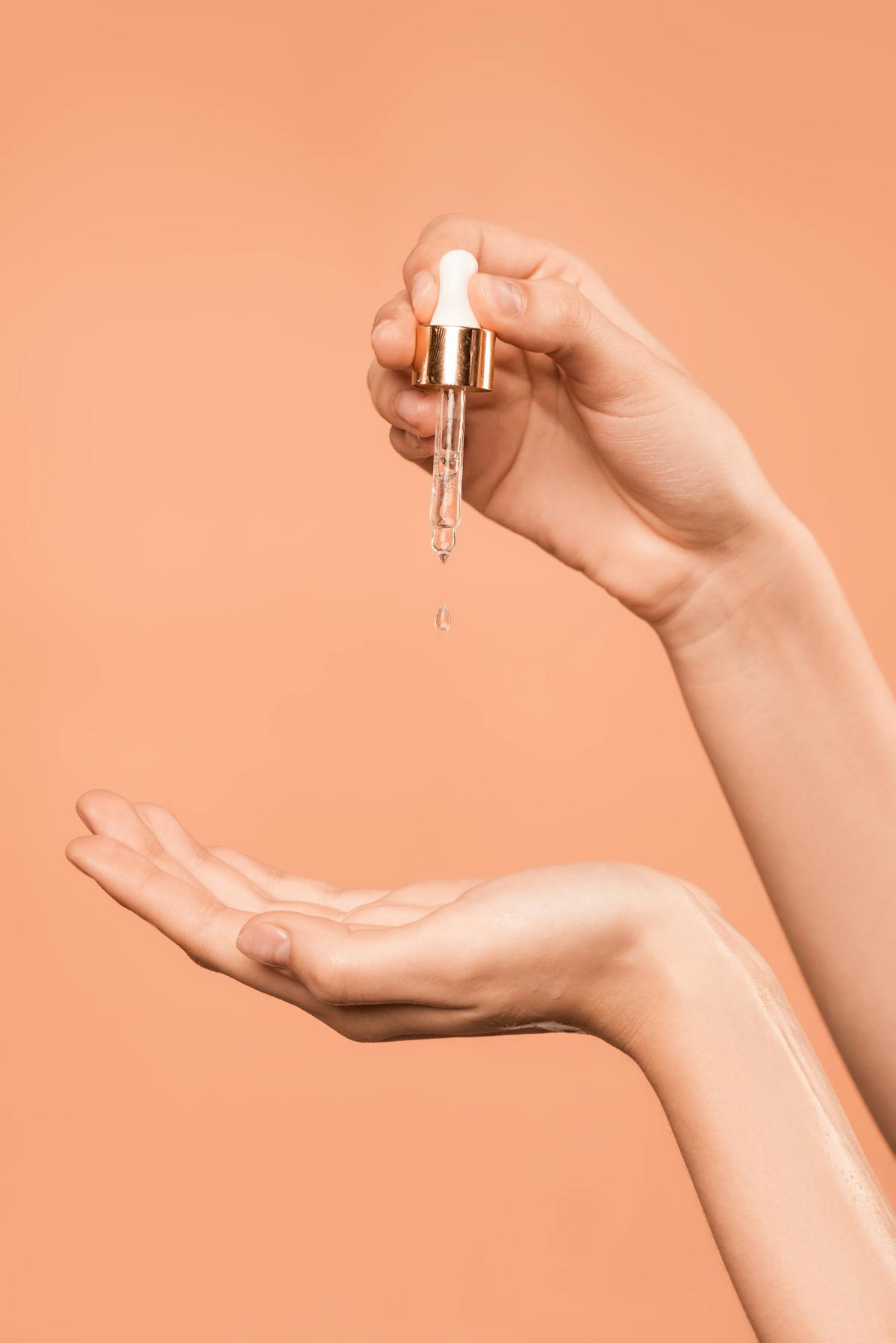
Image credit: Pexels
Hormonal Factors and Melasma Recurrence
Hormonal pigmentation is often harder to control because the trigger may be internal. This is especially relevant for melasma recurrence Singapore searches.
Why Melasma Can Return
Melasma may improve with treatment, then return after sun exposure, pregnancy, hormonal medication, or heat. It may also recur without an obvious reason. This is why melasma treatment should be framed as long-term control rather than one-time removal.
Hormones Are Not the Only Cause
Even if hormones trigger melasma, sun exposure and visible light still matter. Patients often need both trigger control and skin-directed treatment.
When to Discuss Medical History
Patients should tell the doctor about pregnancy, breastfeeding, oral contraceptive use, hormone therapy, thyroid disease, medication changes, and previous melasma flares. This helps the doctor plan treatment more safely.
Inflammation: Acne, Eczema, Picking, and Procedures
Inflammation is a major reason pigmentation returns. If the skin becomes inflamed, it may produce more melanin during healing.
Acne-Related Pigmentation
Post-acne marks are common after inflamed pimples. A patient may treat pigmentation with laser or peels, but if acne continues, new marks will keep forming. Acne control is often the first step before aggressive pigmentation treatment.
Picking and Squeezing
Picking pimples increases trauma and inflammation. It can make a small pimple leave a longer-lasting dark mark. Patients with pigmentation-prone skin should avoid squeezing, scratching, or peeling scabs.
Eczema and Skin Barrier Damage
Eczema, dermatitis, friction, mask irritation, and harsh skincare may cause inflammation and darkening. If the skin barrier is unhealthy, brightening products may sting and worsen pigmentation.
Procedure-Related Pigmentation
Laser, peels, microneedling, and other procedures can improve pigmentation when suitable, but they can also trigger PIH if too aggressive. The 2024 systematic review on treatment of PIH in skin of colour reported that some interventions improved PIH, but laser treatment also had reported cases of PIH exacerbation. (PMC)
Skincare Mistakes That Make Pigmentation Worse
Many patients with pigmentation use too many active products at once. This can irritate the skin and cause rebound darkening.
Mistake 1: Over-Exfoliating
Using exfoliating acids too often can weaken the skin barrier. The skin may become red, dry, tight, and sensitive. Once irritated, it may produce more pigment.
Mistake 2: Using Too Many Brightening Products
Vitamin C, retinoids, acids, hydroquinone, kojic acid, azelaic acid, and other brightening ingredients may be useful when selected properly. However, combining too many active ingredients can irritate the skin.
Mistake 3: Stopping Sunscreen After Treatment
Some patients use sunscreen only during treatment sessions, then stop once pigmentation improves. This increases the chance of recurrence.
Mistake 4: Trying Unregulated Whitening Creams
Unregulated whitening creams may contain unsafe or unsuitable ingredients. Some products may cause skin thinning, steroid acne, irritation, rebound pigmentation, or other complications.
Mistake 5: Treating All Pigmentation the Same Way
Melasma, freckles, sunspots, and post-acne marks need different strategies. A peel that helps superficial post-acne marks may not be enough for sunspots. A laser that helps freckles may worsen melasma if used incorrectly.
Incorrect Treatment Choices
Pigmentation treatment should not be chosen based only on what is popular online.
Aggressive Laser for Melasma
Melasma can be sensitive to heat and inflammation. Laser may be used in selected cases, but it must be chosen carefully. A 2025 review on laser therapy in melasma treatment reviewed randomised controlled trials and reported that recurrence occurred in some cases, showing why melasma needs careful treatment selection and maintenance. (PMC)
Strong Peels Without Skin Preparation
Chemical peels may help selected pigmentation, but strong peels can worsen PIH in sensitive or darker skin types. Patients considering Chemical Peel in Singapore should have skin type, pigmentation type, sensitivity, and downtime assessed first.
Treating Pigmentation While Acne Is Active
If acne remains active, post-acne marks will keep returning. In this situation, acne treatment and pigmentation treatment should be planned together.
Ignoring Skin Barrier Health
If the skin is inflamed, dry, or irritated, brightening treatment may be less tolerable. Sometimes, repairing the skin barrier is needed before pigment-focused procedures.
Diagnosis and Skin Assessment
A proper pigmentation assessment helps identify why pigmentation keeps coming back.
Identify the Pigmentation Type
The doctor may assess whether the concern is:
| Pigmentation Type | Common Clue | Recurrence Pattern |
|---|---|---|
| Melasma | Symmetrical brown or grey-brown patches | Often recurrent with sun, heat, hormones |
| Freckles | Small brown spots, often sun-responsive | Darken with sun exposure |
| Sunspots | Flat, defined brown spots on sun-exposed skin | May persist and increase with age |
| Post-acne marks | Brown or red marks after pimples | Recur if acne continues |
| PIH from irritation | Dark marks after rash, burn, peel, or injury | Recur if skin is repeatedly irritated |
Assess Skin Type and Pigmentation Risk
Patients with pigmentation-prone skin may need lower settings, slower treatment escalation, and stronger prevention. This is especially important in Singapore, where many patients have Asian skin types that may be prone to PIH.
Review Skincare and Treatment History
The doctor should ask about past lasers, peels, skincare products, acne medication, prescription creams, sunscreen habits, and previous episodes of rebound pigmentation.
Check for Suspicious Lesions
Not every dark spot is cosmetic pigmentation. If a spot is changing, irregular, bleeding, painful, or growing quickly, it should be medically assessed before aesthetic treatment.
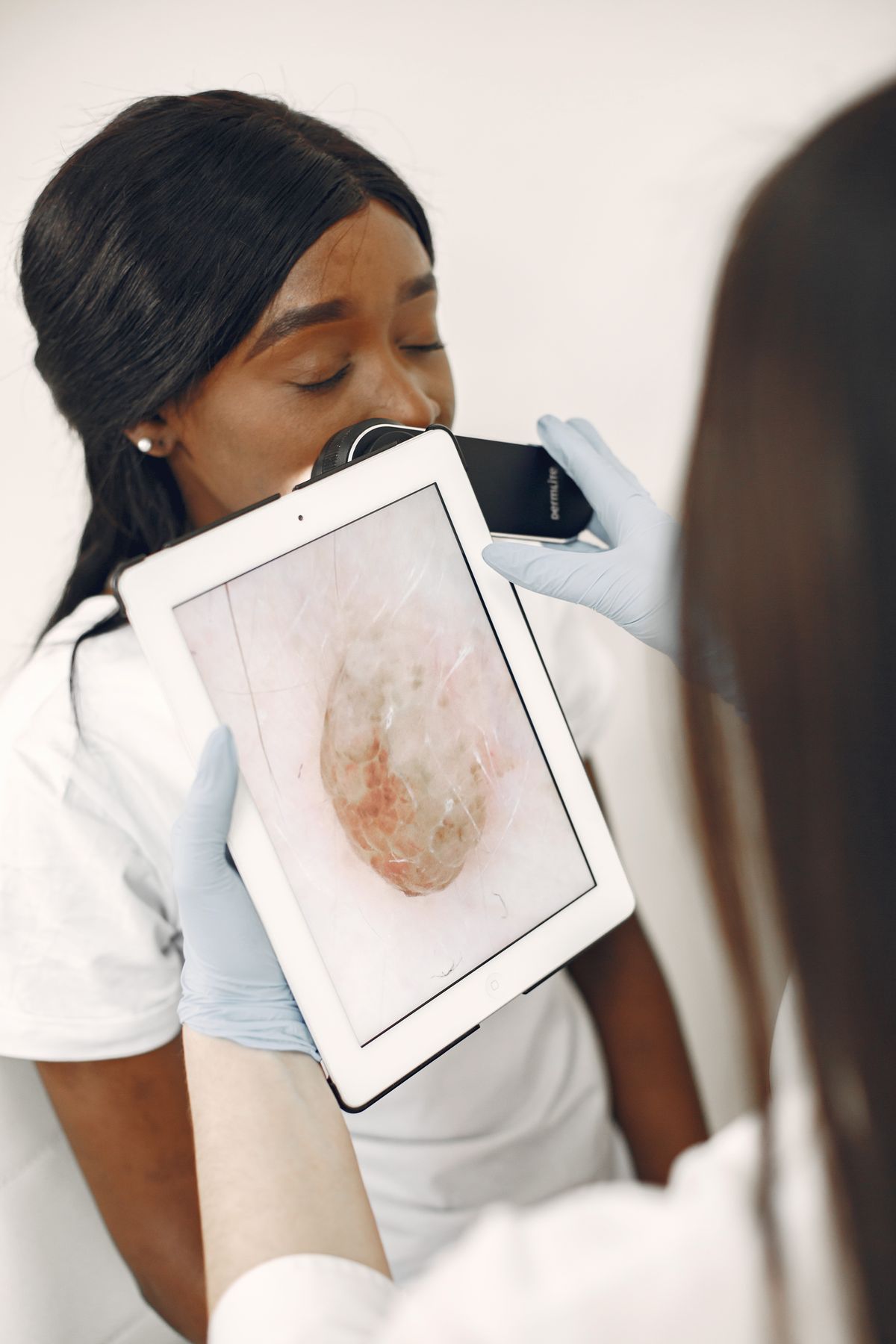
Image credit: Gustavo Fring on Pexels
Treatment Options for Recurrent Pigmentation
The best pigmentation treatment Singapore plan depends on the cause of recurrence. Treatment should usually combine correction and prevention.
Sunscreen and Photoprotection
Sunscreen is the foundation. For recurrent pigmentation, doctors may recommend broad-spectrum sunscreen, tinted sunscreen, hats, shade, and reapplication routines.
Topical Treatment
Topical options may include azelaic acid, retinoids, hydroquinone, cysteamine, kojic acid, vitamin C, niacinamide, or tranexamic-acid-related products, depending on suitability. Prescription ingredients should be used under medical supervision.
Laser Treatment
Laser may be considered for selected pigmentation such as freckles, sunspots, post-acne marks, or certain melasma cases. However, device type, settings, intervals, and aftercare are important.
Chemical Peels
Chemical peels may help superficial pigmentation and post-acne marks when chosen carefully. They are not suitable for every patient, especially if the skin is inflamed, sensitive, or prone to rebound pigmentation.
Supportive Skin Quality Treatments
Some patients have recurrent pigmentation together with dehydration, irritation, and poor barrier function. In such cases, supportive treatments such as Skin Booster Singapore may be discussed for hydration and skin quality support. However, skin boosters should not be described as a primary pigmentation-clearing treatment; they may support skin condition as part of a broader plan.
Combination and Maintenance Plan
Recurrent pigmentation often needs a staged plan: control triggers, stabilise the skin, treat visible pigmentation, and maintain results. The maintenance phase is often the difference between temporary fading and longer-term control.
Benefits of Proper Pigmentation Prevention
A good prevention plan can make treatment results more stable.
Reduced Recurrence Risk
When triggers are controlled, pigmentation may return less quickly or less severely.
Better Treatment Tolerance
Healthy, less-irritated skin usually tolerates topical products, peels, and laser better.
More Even Skin Tone Over Time
Consistent care can gradually reduce uneven tone and reduce the formation of new marks.
Less Dependence on Aggressive Procedures
When prevention is strong, patients may not need frequent aggressive treatments, reducing irritation risk.
Limitations of Pigmentation Treatment
Pigmentation treatment has limits, especially when recurrence triggers are ongoing.
Melasma May Require Long-Term Control
Melasma often cannot be “cured” permanently. It may improve, then return. Long-term maintenance is common.
Results Are Not Instant
Topical treatment may take weeks to months. Laser and peels may need several sessions. Pigmentation may temporarily darken before fading after some procedures.
Some Pigmentation Is Mixed
A patient may have melasma, post-acne marks, and sunspots at the same time. Mixed pigmentation usually needs multiple strategies.
Recurrence Can Still Happen
Even with good treatment, pigmentation can return if triggers are strong. The aim is better control, not a guaranteed permanent cure.
Realistic Expectations
Patients should understand what pigmentation treatment can and cannot do.
What Can Improve
A personalised plan may improve:
- Brown post-acne marks
- Uneven skin tone
- Selected freckles
- Selected sunspots
- Some melasma patches
- Skin brightness
- Pigmentation stability
What May Not Fully Clear
Treatment may not fully clear:
- Deep pigment
- Chronic melasma
- Hormone-related recurrence
- Pigmentation from ongoing acne
- Marks from repeated irritation
- Suspicious lesions requiring medical diagnosis
Improvement Timeline
Many pigmentation concerns improve gradually. Melasma and PIH may require months of consistent care. Sunspots and freckles may respond differently depending on depth, device choice, and skin type.
Safety Considerations
Safety is central when pigmentation keeps coming back.
Avoid Harsh Self-Treatment
Strong home peels, bleaching creams, and aggressive scrubs may worsen pigmentation. Darker skin types and sensitive skin are especially vulnerable to PIH.
Be Cautious with Heat-Based Procedures
Heat can worsen some pigmentation, especially melasma. Laser should be chosen carefully and performed with appropriate settings.
Protect Skin After Procedures
After laser or peel treatment, the skin may be more vulnerable to UV and irritation. Sunscreen, moisturiser, and gentle care are essential.
Seek Review for Worsening Pigmentation
If pigmentation darkens quickly after treatment, becomes inflamed, blisters, or causes pain, medical review is needed.
Recovery After Pigmentation Treatment
Recovery depends on the treatment method.
After Laser
After laser, patients may experience redness, warmth, mild swelling, temporary darkening, or light crusting. The skin should be protected from sun exposure and harsh products.
After Chemical Peel
After chemical peel, the skin may feel tight, dry, sensitive, or peel lightly. Peeling should not be forced, as picking can worsen pigmentation.
After Topical Treatment
Topicals may cause dryness, peeling, or mild irritation. If irritation is strong, treatment frequency may need adjustment.
General Recovery Tips
Use a gentle cleanser, moisturiser, sunscreen, and doctor-approved products. Avoid scrubbing, picking, sauna, intense heat, and unnecessary sun exposure until the skin recovers.

Image credit: Pexels
Prevention Tips for Pigmentation Recurrence
A strong prevention plan is the most important part of recurrent pigmentation care.
Use Sunscreen Every Morning
Apply broad-spectrum sunscreen daily, even when indoors near windows or outdoors for a short time.
Reapply Sunscreen
Reapply sunscreen when outdoors, sweating, exercising, or after wiping the face. One morning application may not protect the whole day.
Consider Visible-Light Protection
Patients with melasma or PIH may benefit from tinted sunscreen with visible-light protection. Ask the doctor if this is suitable.
Control Acne Early
Prevent new post-acne marks by treating acne early and avoiding picking.
Avoid Over-Exfoliation
Limit strong acids, scrubs, and frequent exfoliation. Pigmentation-prone skin needs calm, consistent care.
Build a Maintenance Routine
Maintenance may include sunscreen, brightening ingredients, acne control, gentle moisturiser, periodic reviews, and selected maintenance treatments.
Track Triggers
Patients should observe whether pigmentation worsens after sun, heat, acne, hormonal changes, skincare changes, or procedures. This helps personalise prevention.
FAQs About Pigmentation Recurrence Singapore
Why does pigmentation keep coming back?
Pigmentation keeps coming back when triggers such as sun exposure, visible light, heat, hormones, acne, inflammation, or irritation remain active.
Is melasma recurrence common?
Yes. Melasma is often recurrent and may need long-term management rather than one-time treatment.
Can sunscreen prevent pigmentation from returning?
Sunscreen can help reduce recurrence risk, especially when used consistently with reapplication and physical sun protection.
Why did my pigmentation get darker after treatment?
Pigmentation may darken if the skin becomes irritated, inflamed, sun-exposed, or treated too aggressively. Some temporary darkening can occur after certain procedures, but worsening should be reviewed.
Can pico laser stop pigmentation forever?
No. Pico laser may help selected pigmentation types, but it cannot permanently stop triggers such as sun exposure, hormones, or acne.
Are chemical peels good for recurrent pigmentation?
Chemical peels may help selected superficial pigmentation, but they must be chosen carefully to avoid irritation and rebound pigmentation.
Can skin boosters treat pigmentation?
Skin boosters are not primary pigmentation treatments. They may support hydration and skin quality in selected patients as part of a broader plan.
Should I stop all skincare when pigmentation worsens?
Do not stop essential sunscreen unless advised. However, strong actives may need to be paused if the skin is irritated. A doctor can help adjust the routine.
How long does pigmentation prevention take?
Prevention is ongoing. Pigmentation-prone patients usually need long-term sunscreen, trigger control, and maintenance skincare.
When should I see a doctor?
See a doctor if pigmentation keeps recurring, worsens after treatment, appears suddenly, changes shape, bleeds, becomes painful, or does not respond to basic care.
Conclusion
Pigmentation can keep coming back because the skin continues to react to triggers such as sun exposure, visible light, heat, hormones, acne, inflammation, harsh skincare, and unsuitable treatments. For patients searching for pigmentation keeps coming back Singapore, pigmentation recurrence Singapore, pigmentation prevention Singapore, melasma recurrence Singapore, or pigmentation treatment Singapore, the most important step is identifying why the pigmentation is returning.
A proper plan should include diagnosis, sunscreen, trigger control, gentle skincare, suitable topical treatment, careful procedure selection, and long-term maintenance. Laser, chemical peels, and supportive skin quality treatments may help selected patients, but they must be matched to the pigmentation type and skin condition.
Dr Plus Aesthetic Clinic Singapore offers doctor-led consultation and personalised pigmentation prevention and treatment planning. The goal is to help patients understand their pigmentation triggers, reduce recurrence risk, and build a realistic long-term plan for clearer, more even-looking skin.
References
- American Academy of Dermatology — Melasma: Diagnosis and Treatment
- American Academy of Dermatology — Melasma Self-Care
- Postinflammatory Hyperpigmentation: A Review
- The Role of Sunscreen in Melasma and Postinflammatory Hyperpigmentation
- Treatment of Post-Inflammatory Hyperpigmentation in Skin of Color
- The Efficacy of Laser Therapy in Melasma Treatment
About Author